News,May 2018

Relevant VAT accounting schemes

VAT Accounting Schemes: Determine the Best Scheme for Your Business

13/01/2021Accountants , Accounting Issues , Making Tax Digital , VAT

If you are running a business, then you have to keep track of the taxes that you pay to HMRC. VAT is an indirect tax that is collected by HMRC because it is charged by the businesses for the HMRC. There are different VAT schemes to report VAT with HMRC. In the UK, VAT is the third-largest source of income for the government after Income tax and National Insurance. The Value Added Tax VAT is the most widely paid tax to HMRC on the selling of goods and services. Businesses collect this tax on the items they sell and it applies to every sale.   Do I have to Register for VAT? Yes, you have to register for VAT. But your earnings have to pass a certain threshold. The threshold does not remain the same; the rate may change every year. If you are passing the threshold, you have to register in 30 days. You can do it online.   Can I Reclaim VAT? If you are a business owner and selling goods or services to other customers or businesses,  you can reclaim VAT. You can also reclaim the VAT that you pay on your business-related expenses. But you have to register for VAT first.   Is there any Benefit for VAT Registration? You must be thinking about what you get in return for paying VAT. You can simply claim it back. Utility businesses have to pay VAT on the goods they purchase but they can claim them back at the time of filing their returns. If your business is VAT registered, it improves its credibility. It kind of makes you look more authentic. Your business will look more professional, even if your turnover is lower.   What is the VAT Scheme? A vat scheme is a system to tell HMRC about VAT. Once you register for VAT, it doesn’t end there. Charging VAT from customers bounds you to tell HMRC about it. You need a proper mechanism for this. It also includes how much VAT you are charging. HMRC is providing this mechanism in the form of a VAT scheme.   How Many VAT Schemes are there? HMRC is providing three different VAT accounting methods which are called VAT accounting schemes. The days of manual methods are over and people now prefer to use automatic accounting software. The software can acquire data automatically which then you can use to complete a quarterly VAT return. HMRC is pretty flexible in providing different methods. Depending on your business nature and turnover you can choose the right accounting method. To tell the HMRC about VAT you have to know: How much VAT you have deducted or charged How much VAT you have paid   Annual Accounting VAT Scheme This is the same as the standard VAT accounting method. You don’t have to file a quarterly return if you are going with this scheme. You have to keep up with an annual deadline for payment and reporting. Most people keep it the same with their tax filing date. It is much simpler. If your business has a turnover of more than £1.35 million, you cannot go with this scheme.   Flat Rate Scheme A flat rate scheme is a VAT accounting scheme for small businesses. if you own an SME. You must know your total turnover. You have to pay VAT on the percentage of your turnover. Flat VAT accounting rates depend on what kind of business you do. You have to look for flat rates for different industries. Some key features of this scheme are: If you own a small business You have to charge VAT on your invoices. But this saves you from the trouble of accounting for VAT on every sale and purchase Business with a turnover of up to £150,000 can avail of this scheme   Cash accounting scheme You account for VAT on the same day you receive your payment with this scheme. You don’t have to account for it when you send the invoice. This scheme is beneficial for you if you face delays in receiving payments from your vendors. In this scheme, you don’t have to pay VAT until you receive your due payments.   Is the cash accounting scheme well suited for you? You don’t have to go with this scheme if you buy a lot of things on credit. Because you cannot reclaim VAT until you receive your payments. If your business’s annual turnover is above £1.35 million, you cannot go with this scheme.

Read more
Factoring and invoice discounting

What’s the Difference Between Factoring and Invoice Discounting?

12/01/2021Accountants , Accounting Issues

Invoice discounting and factoring are very similar concepts. Both are helpful in releasing cash which is tied in invoices. Anyone can be helpful in funding, including banks, financiers, or invoice factoring companies. These lend against an outstanding debtor balance or accounts receivable. The end goals are the same. Having extra cash for your business never hurts. You’re in a tight spot multiple times each year. These situations can occur due to the fact that you’re supposed to pay your employers and the client has not paid you yet. A similar situation can occur for a construction company that’s supposed to invest in another project, but the money from the previous project is still awaited. The main difference between the sales ledger or other financier companies occurs if the other sources are completely inclined towards paying the employers. So here’s the important question: What’s the Difference Between Factoring and Invoice Discounting? Factoring occurs mainly when a business hands out the invoicing task to a third party. It’s the responsibility of that third party to manage the sales ledger and collect debts accordingly. Invoice discounting is an alternative way of working on your discounts against that money. Bill discounting gives you immediate capital by borrowing against that money. Both provide you with short term capital to make sure your business operations keep on running. What is the Key Difference? Invoice FactoringWith factoring, your business sells its invoices to a third party (called a factor). The factor takes over credit control and collects payment directly from your customers. This is ideal if you want to outsource debt collection and free up your admin time. Invoice DiscountingWith discounting, your invoices are used as collateral for a short-term loan, but you stay in charge of collecting payments. This is more discreet, so your customers usually don’t know that a lender is involved. Both methods give you a cash advance — typically up to 90-100% of your invoice value — within 24 to 48 hours. Benefits of Invoice Factoring and Invoice Discounting Now that we’ve discussed all the differences, it’s important to look into the benefits of factoring and invoice discounting too. The benefits are quite similar. With each one of these, you get to: You get to release around 100 percent across the value of your outstanding invoices within 24 hours. You don’t need other assets for funding. Free up cash to work on your cash flow problems. Get done with supplier invoices in no time and negotiate discounts on a frequent basis. Count on better funding opportunities along with the overall turnover. What Industries Use Invoice Discounting? A lot of industries use invoice discounting for different areas of businesses. These industries include: Construction Recruitment Manufacturing Wholesale Printing and Publishing Even couriers and logistics (how cool is that) Factoring and discounting have proven out to be a problem-solvers, especially for businesses that deal with goods ad services on regular basis. There are many businesses facing problems of slow payments, factoring and invoice discounting really helps out all these businesses. Final Thoughts Invoice factoring and discounting are still highly relevant in 2025 — especially as many businesses face delayed payments and uncertain cash flow. Whether you’re in construction, manufacturing, or services, these tools can give you the financial breathing room to operate smoothly. Need help choosing the right option? Speak to a financial advisor or accountant who understands your business.

Read more
common vat problems to avoid

Get your Way Around Common VAT Problems

06/01/2021Accountants , Accountants for Contractors , Accounting Issues , Tax Issues , VAT

As an accountant, we have to do a lot of problem-solving each day. Let’s take a look at the top ten VAT problems, and identify solutions for each one of these too. Businesses want to end up paying as little as possible, and getting your VAT right is one way to make sure you’re not overspending. Having the right accountant by your side is all you need to get everything right and avoid VAT payment problems. Know that VAT can go wrong in limitless ways. It’s a self-assessed tax being handled by ten other people. What are the chances that there might be zero chances of a human error? Then the team of accountants ends up saying ‘if only’ multiple times when they get themselves into serious VAT payment problems. If only a business owner would have ended up checking the VAT position before signing a contract or checking up on the VAT position before letting out a property, things would’ve been different. Most business owners even agree on a transaction without working out its VAT. Normally, people don’t consider VAT while carrying out the transactions and it’s troubling for them when they’re issuing their invoices or submitting VAT returns. As tax advisors, the accountants at Cruse and Burke always encourage you to keep all these situations in mind to make sure you don’t end up in a mess.  It’s been seen in prior situations too that businesses that have problems with paying VAT in their minds before carrying out transactions see their commercial outputs improve significantly. You’ll not only improve profits but also make sure that you’re avoiding losses to the maximum. So let’s take a look at some of the common issues faced while getting your VAT done and help you overcome major VAT problems down the road: Having a lead in time always helps out in keeping VAT problems at bay. Enough time helps you carefully prepare for regulations, return forms, and systems for registering taxpayers and processing VAT returns and payments. Plus having prior experience is a benefit, and it always helps out. Sometimes small enterprises or companies are responsible for doing new invoices and working on the bookkeeping requirements. The problem arises especially among people going for VAT upon imports. Small enterprises have vigorously opposed the idea since the department in charge of internal taxes has been given the job primarily.  Another major problem encountered by people of developing countries is that the staff number is not specified for resolving all the VAT issues. This is one problem of high concern for these countries. As VAT is something completely different from a general sales tax. VAT is considered as a modern tax of nature. So many countries demand that it must be dealt with in separate organizations. According to many developing countries, VAT should be dealt in a completely separate organization apart from general income tax, let’s say. We’ve not only identified potential problems that can get you into serious trouble but also identified solutions for all of them. VAT issues are common and you’ll try your best to avoid them to the maximum keeping in view the solutions above. We wish you good luck in getting everything right and pressing on the long-term measures to sort out everything the perfect way.

Read more
Accounting Tips for startups

Three Essential Accounting Tips for Startups

18/12/2020Accounting Issues , Startup accountants

If you’re looking forward to investing in the long-term success of your business, chances are you’re focusing on your product or service alone. You’re probably paying no attention to anything else surrounding it to ensure things go smoothly in the long run. However, selective attention is also a thing when it comes to running a startup. Everyone loves hearing success stories and also chasing them, pushing people to buy their products, but they end up forgetting about the important processes of accounting and bookkeeping. So we have shared three essential accounting tips for startups to follow. In a world filled with startups, there is already a lot to worry about in terms of standing out from the pack. But without a solid accounting foundation, you may end up losing all of your profit and end up owing money instead of owning it. Startups typically make costly mistakes such as overlooking details in their books and ledgers, not being able to track the cash flow that stems from their operations. They might also forget about tax deadlines. Those mistakes can break a business before it ever gains traction.   Tips that Every Start-up Needs to Follow However, if you’re going to play things smart as a start-up, you must pay attention to the details of your accounting system. That’s one of the right steps to overall success. Here are three more accounting tips for startups to keep in mind to manage your company’s accounts successfully:   Forecast Your Major Expenses One of the most important parts of running a start-up business is to determine which expenses are going to come up to help your business survive the ups and downs and counteract seasonal effects. By forecasting major expenses, you can protect your startup and ensure that it stays afloat even during the off-season without having to spend cash to keep things profitable. Major expenses, like high capital moves (e.g. software upgrades and multinational shipments), can make a huge difference in the success of your company, so it’s important to forecast them and make sure you’re on track.     Put Money Aside for Your Taxes No business owner ever wants to pay taxes because they take a huge chunk from their profits, but it’s much better to be on the good side of the government so they won’t close you down for tax evasion. As early as the first accounting day of the year, you should keep track of when you need to pay your taxes, and ensure that the budget for them is ready a week or so before the deadline. Failing to pay on time can impact your business negatively. You can rack up immense dues that are double or triple what you’re supposed to pay, so do yourself a favour and pay your taxes on time.     Keep Track of Your Business’ Cash Flow The biggest mistake that startups make is that they fail to track where their cash goes and how it goes in and out, simply because there are no accurate or up-to-date records of their cash flow. Small costs that aren’t tracked can add up to a significant amount. Some costs are overestimated to the point that a company ends up paying more in the long run. In order to keep better track of your cash flow, it’s best to use a credit card to accurately track any expenses. Supplement this by tracking your income with up-to-date Excel sheets and different file versions for each day to make it easier to cross-reference. More or less everything has to do with keeping your accounts on track. Whether its forecasting your major expenses or paying your taxes on time, keep a track of your business’ cash flow. As mentioned earlier, it’s important to keep track of your costs and make your decisions based on realistic situations. Because that’s what works out in the long run!

Read more
eori number uk

Did You Get Your EORI Number?

02/12/2020Accounting Issues , Budgets & Other

From 1 January 2021, you will need an Economic Operators Registration and Identification (EORI) number to move goods between Great Britain and the EU. Prior to 1 January 2021, you only needed an EORI number if you move goods between the UK and non-EU countries. If you do not already have an EORI number UK, you will need to obtain one in order to move goods between Great Britain and the EU. You may also need one you move goods between Northern Ireland and non-EU countries.   Applying for an EORI Number From 1 January 2021, you will need an EORI number that starts with ‘GB’ to move goods between Great Britain and other countries. If you do not already have an EORI number that starts with ‘GB’ and you have yet to apply for one, this should be done as soon as possible. Applications for an EORI number can be made online. To make an application, you will need: Your VAT number and the effective date of your registration (which can be found on your VAT registration certificate); Your National Insurance number (if you are applying as an individual); Your Unique Taxpayer Reference (UTR); The date that your business started and its Standard Industrial Classification (SIC) code (which can be found on the Companies House register for a company); and Your Government Gateway User ID and password. Making an application using the online service should only take 5—10 minutes. You will receive your EORI number straight away unless HMRC needs to make further checks, in which case it will take up to five working days. Once an application has been made, the status of that application can be checked online.   Moving goods between Great Britain and Northern Ireland The Northern Ireland Protocol comes into effect on 1 January 2021. Special rules apply to the movement of goods between Great Britain and Northern Ireland. From that date, an EORI number that starts with ‘XI’ will be needed to: Move goods between Northern Ireland and other countries; Make a declaration in Northern Ireland; or Get a customs decision in Northern Ireland. To obtain an EORI number that starts with ‘XI’ you will need to have one that starts with ‘GB’ – if you don’t, you will need to apply for one first. If you already have an EORI number that starts with ‘GB’ and HMRC have identified that you are likely to need one that starts with ‘XI’, then they should send you one automatically, Expect to receive this from mid-December 2020.   Trader Support Service If you move goods between Great Britain and Northern Ireland, sign up to the Trader Support Service (see www.gov.uk/guidance/trader-support-service) for help and support on moving goods between Great Britain and Northern Ireland.

Read more
Value From Your Accountant

Getting The Best Value From Your Accountant

30/11/2020Accountants , Accounting Issues

An accountant is the guardian angel of your finance. It’s hard to focus on your business without an accountant. Bookkeeping, payroll, or a business plan diverts your attention from the main purpose; your business. Your real focus must be accounting and bookkeeping. An accountant drives growth within a business, people prefer not to opt for accountants because it’s counted as an extra expenditure.  The value an accountant brings to your business is worth more than you can imagine. Talk about knowledge, expertise, and advice that bring benefits for you and your business beyond your imagination. Every accountant is not great. There are many bad eggs out there. Rest assured of your business as your business’s future depends on the accountant you pick. Here are a few pointers that will help you get the best value from your accountant: Full Breakdown Get a full breakdown of charges and services. Look out for accountants that give you value for money. How Will You Help Search for accountants with experience in your sort of business. Think about the size of the firm. A big firm is more settled, as compared to a smaller firm. That assists you with the requirements. Go for accountants who will keep you as their priority and give you undivided attention. Terms and Conditions When your accountant summarises terms and conditions in a letter of engagement, put your expectations in writing too. Put in your requirements too for e.g. what services you are expecting. How Proactive Are You? The most exceedingly awful accountants appear to be hesitant to connect. They send you a conventional pamphlet after the financial plan and possibly email once per year to demand your records. While the best bookkeepers send you subtleties of how the financial plan influenced your business, and stay in contact consistently, regardless of whether that just means ringing for a visit. Understand Your Strength and Weakness Better Every tiny detail matters. If your business is a success then what is it that leads you towards this success? Your product, services, client service, technical talent, etc play a vital role. What is pulling you down? Disorganization, lack of process, training? Accountants help you figure out the reason(s) and help you focus on strengthening the areas of strength. This helps you strengthen the areas of weakness. A Lesson From The Competitor Who is your opposition and how would you measure up? Where are the holes on the lookout for your specialty administrations? A SWOT investigation will assist you with seeing how you match the competition, distinguish open doors for your firm, and what it will take to get there. You have to see, follow, and pick up from your competitors. Learn from their experiences including mistakes so you know what not to repeat and what actually works. Market Try not to think little of the significance of building up a marketing plan to assist you with repositioning your business and what you have to bring to the table.  Accountants have access to tools that they draw on to help you get started. Qualification You cannot risk your business with an accountant who is not qualified enough. This is the first thing you need to know about your accountant, what is their qualification? After all, you want to hire the most up-to-date qualified person for your business. Accountants Prioritise Their Client’s Challenges Instead of just showing up at tax time or when a deadline is due, an accountant should be in touch with their client throughout and make their business their priority. Set up meetings or take them to lunch to examine their accounting needs, also their growth plans, and their trouble spots. Each business is continually developing, and your accountant ought to be there with a lot of counsel to assist you with settling on informed choices. Keep this checklist with you the next time to get the most value out of your accountant. Disclaimer: The information about the value from your accountant burden provided in this blog includes text and graphics of general nature. It does not intend to disregard any of the professional advice.

Read more
Taxi Driver Accountants

Expert Taxi Driver Accountants in Croydon

25/05/2020Accountants , Accounting Issues , Business Growth Ideas

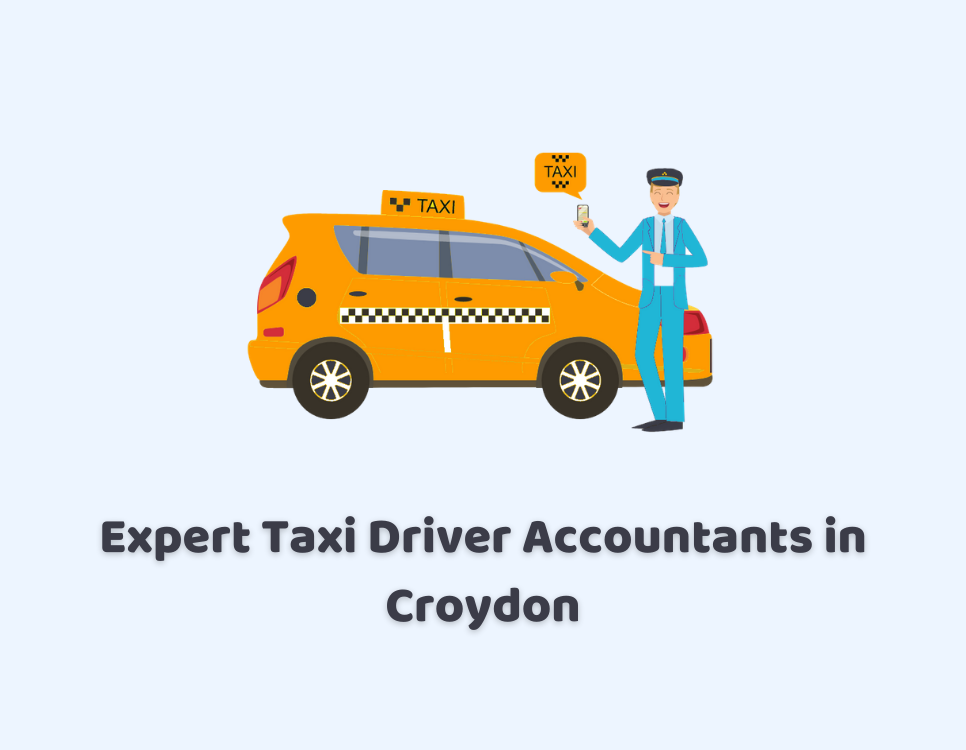
From the outside, the job of a taxi driver seems simple enough, which requires picking up passengers from taxi stations and dropping them off at their desired locations. However, it is far from it, and for being a taxi driver you need many skills to be good at your job and in this article, we will let you know of being a freelancer taxi driver to encountering all sorts of customers on your usual work day or night. Talk to our best accountants in Croydon at CruseBurke. You will get instant help about taxi driver accountants. Walk in the Park? Think Again! A self-employed taxi driver has the opportunity to meet people from different backgrounds, cultures, and ethnicity and this gives them an understanding of the particular area that they work in. However, dealing with such a diverse nature of customers can have its own challenges. First of all, you have to work on unsociable hours as well as sociable hours and that in itself is a challenge. At this hour, you will find some friendly customers, but on a late weekend night, a self-employed taxi driver could come across some difficult customers as well. However, a successful taxi driver is someone who can handle all sorts of passengers be it difficult or easy with a calm demeanor, and if you have it in you then you can become a successful taxi driver. Skills and Qualifications Required Being a Taxi Driver When it comes to skills, you need to have good driving skills – that’s a given. You need to have a good sense of direction to reach your destination in a cost-efficient manner and also knowledge of the fares who be helpful as well. In terms of qualification, you need to have a valid license driver. Age also matters as you have to be above the age of 21 to qualify as a taxi driver in the UK and have had your full driver’s license for over a year. Doing your Taxes as a self-employed Taxi Driver All in all, there are plenty of benefits of being a freelancer taxi driver, as you get to be your own boss, have flexible hours, and not to mention the freedom that comes with it make for a very exciting and attractive package. However, there is one downside to the whole gig and that is accounting. You are taken care of or relieved from this duty if you are a full-time employee. At CruseBurke, we have taxi driver accountants in Croydon, who understand that you do not have time to keep up with the accounting part of your business. The accounting part of the business requires you to keep all the financial records of your business and on top of that, you will need to pay a Self-Assessment tax return which is due at the end of each business year. All of this can distract you from your main line-of-work, but our taxi driver accountants in Croydon have got you covered. Not only that, but we will also give you advice on everything related to accounting to keep the business growing. Sound Accountancy advice from our Taxi Driver Accountants To keep your business afloat and keep it growing, you would need solid advice on tax and accountancy not once, but throughout the year. We are not most accountants who will forget about your after you pay us for your year-end accounts. Our expert taxi driver accountants in Croydon will guide you to keep your business to be run successfully and smoothly.

Read more
Arab Accountants in Bromley

Work from Home Expenses

06/05/2020Accounting Issues , Misc

Computing business expenses has always been a hazy prospect, especially if you’re working from home or are self-employed—the concept of work and home has already been blurred, after all.  You’re very much entitled to receive certain amounts of expenses, but what are you specifically entitled to. List of Work from Home Expenses that can be Claimed Some expenses are clear-cut, but you may be surprised that plenty of your monthly living costs can also be claimed! Here are four Work from Home Expenses you’ll be able to claim: 1 – Internet expenses You may be using your internet connection mostly for leisure, such as binge-watching movies for hours at a time or mindlessly scrolling on social media or downloading. While the case may be true, don’t forget that you also use it for answering emails, contacting clients, and of course, accomplishing the entirety of your work. To receive a claim for your internet expenses, work out proportionately how much you spend doing work online and how much you use it for leisure. After doing so, divide your total bill accordingly—whatever the result will be the expenses you’re entitled to claim. 2 – Electricity and gas bill costs Your home also plays a crucial role in your work. Without lights, proper heating, and the means to cook, you will not be able to do your job. It can be difficult to work out how much of your utilities should be charged—calculating your energy consumption every day is a huge feat, but the expenses you can claim will be well worth it. To start, figure out how much of your time is spent on working. From there, equate how long your job requires you to benefit from the use of electricity or gas. After that, carefully take a look at your home. If you’re heating your entire house but are only working in a single room, claim one room’s worth of utilities. By doing this, you will be able to save up on money! 3 –  Phone bill If your work requires you to constantly communicate with clients or receive call advisories, your phone bill is another expense you can claim. The easiest way to identify expense work calls is by having a separate work phone. By doing this, you will be able to track your phone bills effectively enough to receive claims. 4 – Transportation If you’re delivering products, meeting with clients, or in need of traveling away from home from time to time, you are also entitled to claiming transportation expenses. Work out your total expenses by totaling gas use. To claim this, however, make sure that your vehicle isn’t declared as capital allowances! Conclusion Working remotely is a setup not many get to enjoy, but the amount of money you can save is undeniable. More than saving up on daily expenses such as commute, food, and coffee, you’re also entitled to claim more expenses. Keep in mind that these things remain subject to approval. For help in claiming, check with HMRC or an accountant. If you’re looking for Accountants in Croydon, then we’re the ones to call. With over 100 years of combined experience, our professional team offers quality service to various clients, ranging from self-employed individuals to small and medium-sized businesses. Contact us now for more information!

Read more
bookkeeping mistakes to avoid for UK business

Bookkeeping Mistakes UK Business Owners Should Avoid – What to Know

13/04/2020Accountants , Accounting Issues

In today’s ever-competitive UK business landscape, one of the most important keys to success that any London-based business needs to thrive is a solid bookkeeping foundation. From the moment you open up your business, there’s no denying that the essential practice of bookkeeping will play a significant role in every part of running your business. Although it may seem quite boring or tiresome at first, keeping your financial records intact all-year-round is vital to improve every function in your business’s record-keeping processes. Out of all the different aspects of your bookkeeping experience that you have to watch out for, there’s one key task that no owner should ever overlook. Bookkeeping Mistakes UK Business Owners Should Avoid Fortunately, avoiding any bumps along the way when accurately maintaining your financial records can easily be achieved by simply knowing what you have to look out for and where to improve. If you want to enhance the way your business works and its overall financial health, here are three common mistakes that you should avoid at all costs: 1- Failing to separate business and personal spending For most start-up heads and medium-sized businesses, the temptation to handle the company’s finances by driving transactions and its cash flow right into a personal savings account can be quite tempting. No matter how convenient it may seem at first, this quick “solution” often comes at the cost of a business’s own financial stability, especially in organising transactions and costs. By opening a separate bank account and credit card for your business, you can save lots of time on tracking your business’s transactions and getting all your cash flow affairs in order! 2- Cramming the entire record-keeping process When it comes to improving the way your business’s bookkeeping processes work, your financial foundation won’t be stable if you don’t record your transactions in a timely and organized manner. Putting off your bookkeeping responsibilities can easily prove to be one of the biggest and easiest mistakes you can make because it is a prerequisite for tax compliance and accurate record-keeping. Instead of cramming your record-keeping at the last minute, taking a few minutes each day to record your transactions will spare you from years of inconveniences in the long run! 3- Not outsourcing your bookkeeping, even when you should As a business owner, it’s quite understandable to have a certain tendency to lean towards handling your own processes out of pride and the pursuit of having a “self-made” set-up. Yet, it’s also vital to make sure your pride doesn’t get in the way of achieving efficiency. If you have lots to handle and don’t have adequate skills to look over the technicalities of your financial records, then outsourcing a bookkeeper’s service is one solution you should seek. With the help of an outsourced professional, you can leave your financial needs in the hands of competent accounting experts while you focus on other important matters in your business! Conclusion Handling your business’s bookkeeping process and financial records as efficiently as possible is all about choosing the right approaches and avoiding common mistakes that may pull you back from attaining your goals! To avoid these mistakes, you could hire an accountant who would help you keep your financial records intact all-year-round. If you’re looking for accountants in Croydon who can provide your bookkeeping services in Croydon, to help your business succeed and attain a competitive edge, get in touch with us today to see how we can help! Disclaimer: The information about the bookkeeping mistakes UK business owners should avoid provided in this blog includes text and graphics of general nature. It does not intend to disregard any of the professional advice.

Read more