
The financial planning requirements of high net-worth individuals are different and more complicated than those of regular investors. HNWIs (High net-worth individuals) generally depend on the cash flow and persistent flow of revenue to cover future costs. In this blog, you will come to know about the financial planning tips for high-net-worth individuals to maintain their finances.
Although earning more money and assets sounds good, managing it puts you in greater danger of financial difficulties. You must maintain a consistent cash flow from many sources of income. The more money you have, the more cautious you must be with your financial decisions.
Are you looking for a professional to meet your accounting and taxation needs? Then at CruseBurke, we have a team of skilled accountants and tax experts who provide solutions to all your business problems!
Financial Planning Tips for High-Net-Worth Individuals
Following are the tips for high-net-worth individuals.
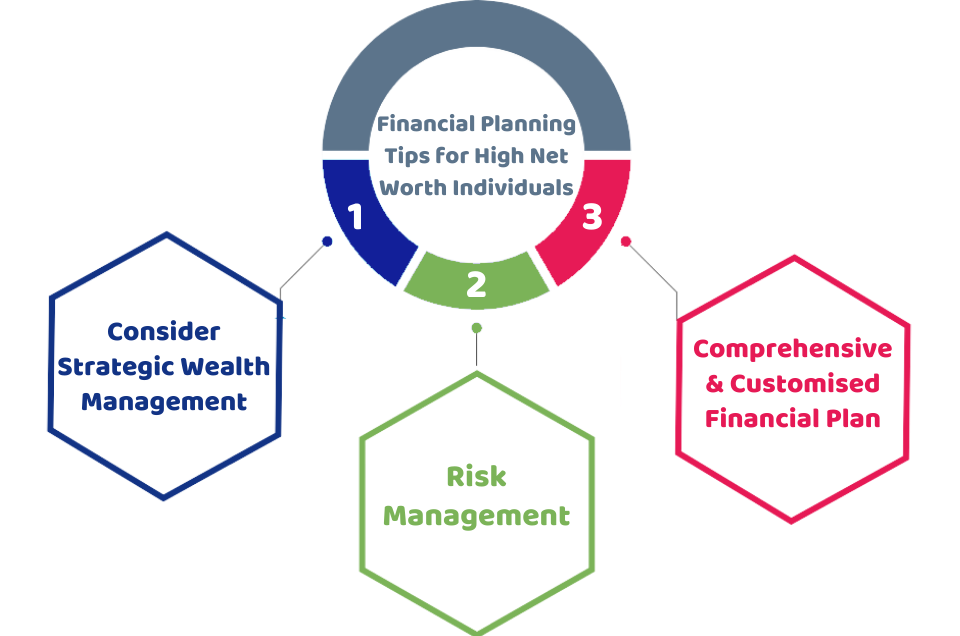
1. Consider Strategic Wealth Management
As an HNWI, it’s crucial to work with a wealth manager who understands your current stage of life, financial goals, and risk appetite. Someone planning for early retirement or intergenerational wealth transfer will require different strategies from someone actively growing their wealth.
In 2025, with updated rules around non-dom tax status, capital gains tax (CGT), and pension lifetime allowances, a strategic and tailored plan is more important than ever. A qualified advisor can help you structure your wealth efficiently using tools such as family investment companies, trusts, and tax-efficient pensions.
2. Risk Management
High-net-worth individuals face increased exposure to legal, business, and market risks. In 2025, litigation, cyber security threats, and estate disputes remain some of the top concerns.
Work with professionals to:
-
Ensure you have adequate insurance cover
-
Establish asset protection structures (e.g. trusts or holding companies)
-
Regularly review your investment diversification
-
Protect digital assets and online banking systems
A solid risk management strategy helps preserve wealth and reduce exposure to unnecessary losses or legal complications.
3. Financial Plan as per your Financial Requirements
HNWIs need a comprehensive financial plan tailored to their unique needs. In 2025, that means:
-
Planning for inheritance tax (IHT) relief (especially after new HMRC guidelines)
-
Maximising your ISA and pension allowances
-
Reviewing your international holdings, especially if you’re impacted by post-Brexit or non-dom status reforms
Begin by identifying your values and long-term goals. Whether you’re focused on legacy planning, philanthropy, or retirement income, your strategy should reflect your priorities.
Partnering with a financial adviser or wealth management firm ensures your plan stays aligned with the latest financial, legal, and tax regulations.
Final Thoughts
We hope these financial planning tips for high-net-worth individuals prove to be beneficial for you. Many people believe that owning many homes and cars is a dream come true, but managing a high net worth can be complex. The wealth you’ve worked so hard for over the years can vanish in a short period in case you don’t have comprehensive and customised financial planning and asset management techniques. Therefore, consider these suggestions to protect your future and consider working with accountants and tax advisors to help you maintain your high net worth.
Want expert guidance tailored to your accounting goals? Contact CruseBurke team of chartered accountants and tax planners for high-net-worth clients today.
Disclaimer: This blog provides general tips for High Net Worth Individuals.
