
Understanding what a creditor is is important for business owners, accountants, and anyone involved in financial management. In simple terms, a creditor is a person, business, or financial institution that is owed money because they have provided funds, goods, or services before receiving payment.
Creditors play an essential role in business operations because many companies rely on credit arrangements to manage cash flow, purchase stock, and invest in growth. Whenever a business receives goods or services and agrees to pay at a later date, a creditor relationship is created.
In business accounting, creditors are recorded as liabilities because the company has an outstanding financial obligation to repay the amount owed. Understanding creditors, debtors, and their differences helps businesses maintain accurate financial records and manage working capital effectively.
So, understanding the two is essential for everyone. Let’s kick off with what is a creditor?
What is a Creditor?
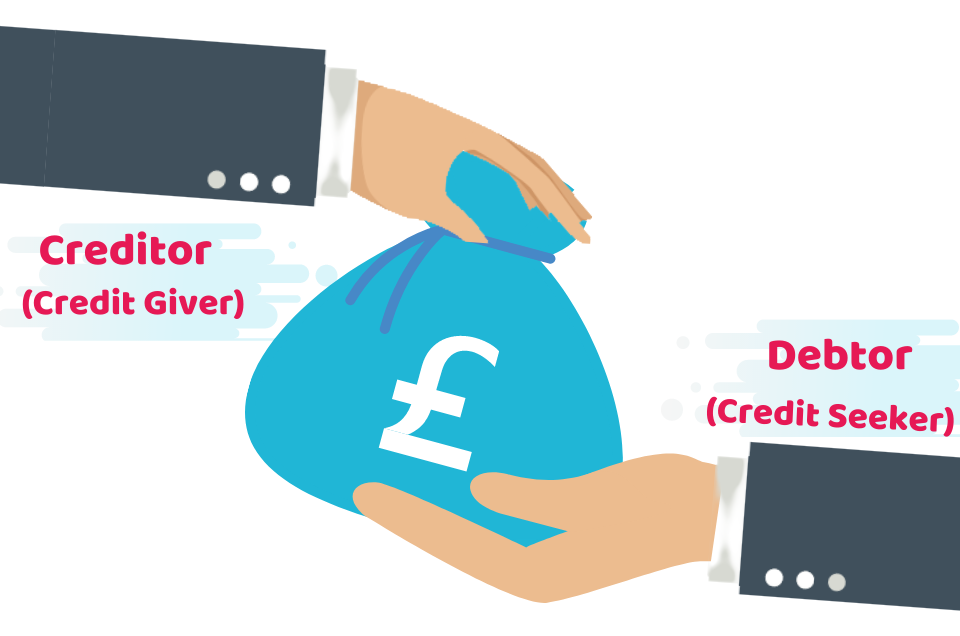
A creditor is an individual, organisation, or financial institution that is owed money by another person or business. So, if you have provided a loan, goods or services to a person or business which haven’t paid you yet, you’d be called a creditor. Being a business owner, you’d encounter two types of creditors: one that provides you with loans and the trade creditors.
Banks and other financial bodies are one of the most reliable and renowned creditors these days. These are the best resources for businesses to get finance for their ventures. In this way, they are creditors, as the businesses need to repay the money they borrowed. In most cases, the bank will charge interest on the money borrowed.
Trade creditors come in second place. These are the creditors that supply materials to businesses to manufacture or produce goods. For instance, a brick supplier would be owed money from a builder as these bricks are used for building projects. Based on your business type and the work you perform, you’d be classed as creditor or debtor.
The money owed usually comes from one of the following situations:
- Providing a loan or financial support
- Supplying goods or services on credit
- Issuing finance or credit facilities
- Allowing delayed payment under agreed terms
For example, if a supplier provides products to a retailer and allows payment after 30 days, the supplier becomes a creditor until the invoice is settled.
Creditors can apply to both individuals and businesses. In a personal situation, a bank that provides a mortgage is a creditor. In a business context, suppliers, lenders, and investors can all act as creditors.
How Does a Creditor Work?
A creditor provides value upfront with the expectation that payment will be made in the future. The agreement between the creditor and debtor normally includes payment terms, repayment schedules, interest charges, or other conditions.
A typical creditor relationship works as follows:
- A creditor provides money, goods, or services.
- The debtor receives the benefit but does not pay immediately.
- The amount owed becomes a financial obligation.
- The debtor repays the creditor according to agreed terms.
For example, a manufacturing company may purchase raw materials from a supplier with a 60-day payment agreement. During this period, the supplier is a creditor, while the manufacturing company becomes the debtor.
Types of Creditors
Businesses commonly deal with different types of creditors depending on their financial activities. The main types include:
1. Trade Creditors
A trade creditor is a supplier or business that provides goods or services on credit. Trade creditors are common in everyday business transactions.
For example:
- A construction company purchases materials from a supplier and pays after receiving an invoice.
- A restaurant receives food supplies and settles payment at the end of the month.
In accounting records, trade creditors are usually shown as accounts payable or supplier liabilities on the balance sheet.
Managing trade creditors effectively helps businesses maintain strong supplier relationships and avoid cash flow problems.
2. Loan Creditors
Loan creditors are financial institutions or lenders that provide borrowed funds. These commonly include:
- Banks
- Building societies
- Finance companies
- Private lenders
When a business takes out a loan, the lender becomes a creditor because the business has a legal obligation to repay the borrowed amount, usually with interest.
3. Secured Creditors
A secured creditor provides finance backed by an asset or collateral. If the debtor fails to repay the debt, the creditor may have legal rights over the secured asset.
Examples include:
- Mortgage lenders with property security
- Business lenders with charges over company assets
Secured creditors generally have stronger protection compared with unsecured creditors.
4. Unsecured Creditors
An unsecured creditor provides finance or services without receiving security over specific assets.
Examples include:
- Suppliers
- Credit card providers
- Some business lenders
If a company becomes insolvent, unsecured creditors are usually paid after secured creditors and preferential creditors.
What Is a Creditor in Business Accounting?
In business accounting, creditors represent money that a company owes to external parties. They appear under liabilities in the balance sheet because the business has an outstanding obligation.
Common examples of business creditors include:
- Suppliers with unpaid invoices
- Banks providing business loans
- HMRC for unpaid tax liabilities
- Finance providers
- Landlords or service providers awaiting payment
Businesses monitor creditors carefully because unpaid debts can affect cash flow, credit ratings, and relationships with suppliers.
Effective creditor management involves:
- Paying invoices on time
- Reviewing payment terms
- Maintaining accurate accounts payable records
- Forecasting cash flow requirements
What is a Debtor?
To put it simply, a debtor is the opposite term of the creditor. A debtor is a person, entity, or business that owes money or who needs to pay a debt to someone (creditor). An example of a debtor is a person who has taken out a loan for building a new home. In the world of business, there are commonly two types of debtors: Trade debtors (money owed from customers) and staff loans.
Trade debtors are also called account receivables. They refer to those customers who owe money to the business. Let’s say you have taken the services of a plumber but haven’t paid him. In this case, you’d be called a trade debtor.
In addition, the staff loan is a preferential loan that an employer offers to its employee at a comparatively lower interest rate. Here the employee would be the debtor to the employer.
Debtors and Creditors in Small Business
If you’re are a business owner, you’d find so many customers that don’t pay for the goods or services upfront. Rather they pay you after some time, these customers would be debtors to your business. And your business would be a creditor in this case. Likewise, you are a debtor to your supplier, if you get the goods and services from your supplier and haven’t paid him yet.
These two terms are important for small businesses as they affect the assets and liabilities section of the balance sheet and the cash flow of your business. If you’re a creditor, it means it is your asset and is a positive sign for your business. Contrarily, if you’re a debtor, it is your liability.
Learning the difference between the two and using them effectively help businesses to grow. On the contrary, failing to do so can lead your business towards decline.
Creditor vs Debtor: What Is the Difference?
The terms creditor and debtor describe opposite sides of the same financial relationship.
A creditor is the party that is owed money, while a debtor is the person or organisation that owes the money.
| Creditor | Debtor |
|---|---|
| Provides money, goods, or services | Receives money, goods, or services |
| Has a right to receive payment | Has an obligation to repay |
| Records the amount owed as an asset | Records the amount owed as a liability |
| Example: supplier waiting for invoice payment | Example: customer who has not paid an invoice |
For example, if a company purchases equipment from a supplier and agrees to pay later:
- The supplier is the creditor.
- The company purchasing the equipment is the debtor.
Understanding the difference between debtor vs creditor is essential for managing business finances and preparing accurate accounts.
What Happens If a Debtor Does Not Pay a Creditor?
If a debtor fails to meet payment obligations, a creditor may take steps to recover the outstanding amount.
Depending on the circumstances, creditors may:
- Contact the debtor requesting payment
- Negotiate repayment arrangements
- Issue formal payment demands
- Take legal action through the courts
- Begin recovery proceedings
In the UK, businesses and individuals facing serious debt issues may explore solutions such as repayment plans, company restructuring, or formal insolvency procedures.
Creditors must follow relevant legal requirements when attempting to recover debts, particularly when dealing with consumer debts.
Creditors and Insolvency
When a business becomes insolvent, creditors become an important part of the insolvency process. Insolvency occurs when a company cannot pay its debts when they fall due or when its liabilities exceed its assets.
During insolvency proceedings, creditors may need to submit claims for money owed. The order in which creditors are paid depends on their classification.
Common creditor categories include:
- Secured creditors
- Preferential creditors
- Unsecured creditors
Understanding creditor rights and priorities helps businesses and individuals navigate financial difficulties more effectively.
Why Creditors Matter for Small Businesses?
Creditors allow businesses to operate efficiently by providing access to resources without requiring immediate payment. This can help companies:
- Maintain stock levels
- Manage short-term cash flow
- Invest in business activities
- Build supplier relationships
However, relying too heavily on credit can create financial pressure. Businesses should regularly review outstanding debts and ensure they have sufficient cash flow to meet repayment obligations.
How Businesses Can Manage Creditors Effectively?
Good creditor management supports financial stability. Businesses can improve their creditor relationships by:
- Keeping accurate accounting records
- Paying invoices within agreed deadlines
- Negotiating suitable payment terms
- Monitoring outstanding liabilities
- Communicating with suppliers regularly
Professional bookkeeping and accounting support can help businesses track creditors, manage accounts payable, and avoid unnecessary financial difficulties.
Final Thoughts
A creditor is a person, business, or organisation that is owed money because they have provided finance, goods, or services before receiving payment. Creditors are a fundamental part of both personal and business finance.
Understanding the relationship between creditors and debtors helps businesses manage cash flow, maintain accurate accounts, and make informed financial decisions. Whether dealing with suppliers, banks, or other lenders, effective creditor management is essential for long-term financial health.
For businesses, keeping clear records of creditors and outstanding liabilities is a key part of responsible financial management.
Professional Accounting Support from CruseBurke
At CruseBurke, we help businesses manage their financial responsibilities with expert accounting, bookkeeping, and tax advisory services. Our experienced team supports UK businesses with accurate financial reporting, cash flow management, tax planning, and compliance requirements. Whether you are a small business owner managing creditors and debtors or an established company looking for reliable financial guidance, CruseBurke provides tailored solutions designed to improve financial control and support long-term business growth. Get in touch with our team for professional accounting support that fits your business needs.
Disclaimer: This article provides general information about “What Is a Creditor“. It does not replace professional financial, legal, or accounting advice.
