Related post

HMRC payment NIERS
What is the HMRC Payment ‘NIERS’ on my Payslip?

25/05/2025tax , Tax Issues , Tax News and Tips

When you are carrying out a business that is based in the UK regardless of being a small business or a large business, your firm is under the obligation to pay the Employer’s National Insurance Contributions. For example, if you are a contractor who is associated with an umbrella company or a recruitment agency, you are being paid through the PAYE system. The firm or the company you are associated with will pay the Employer’s National Insurance. However, you are thinking about what HMRC payment NIERS has to do with any of it. Moreover, commonly this is known as class 1 secondary contributions as well. As we have earlier discussed that employers are under the obligation of saying the national insurance contribution from the salaries of their employees. When an employee earns an amount equal to £170 or more than this, the employee owned the payment of NIERS. You might witness such deduction already on your witness. However, several people do not really know what are all these deductions about. The deduction of NIERS is usually explained on your payslip. And when you cross a certain limit, your employer is now bound to pay PAYE and NIERS. In this guide, you will gather information about what is NIERS, how can it affect your pay rate, if a pay rate increase is due to NIERS, and what is the controversy behind NIERS. Talk to one of our intelligent and clever professionals to get your further queries about HMRC payment NIERS. We will ensure to come up with the best possible solution. What is the HMRC Payment NIERS? The frequently asked question among the contractors in the UK is what is NIERS? NIERS is known to be the national insurance employer’s contribution. When you are in the role of a contractor and associated with an umbrella company or a recruiter agency, you are usually paid through PAYE. Now your employer is obligated to pay the national insurance contribution from your salary. Around the UK all the employers will have to pay for this. This is because of the earnings of the employees that you have hired for their company. Moreover, Class 1 Secondary contributions is kind of another name used for this. The contractors who are associated with companies usually give their salaries through the payroll system and the explanation of the deductions is mentioned on the payslip as well. This will further make your employer obliged to fulfil the requirements of paying NICs on the salaries of employees as well as operating the PAYE system. How Does HMRC Payment NIERS Affect the Pay Rate? The employer of the umbrella companies is equally responsible for paying NICs and operating the PAYE system to pay the salaries. This does not matter whether you are associated with an umbrella company or any agency, both employers will have to pay NIC. Normally NIERS have no effect on your pay rate. The charges are calculated normally within the range of the agreed pay rate of the contractor with the employer. This is also known as the assignment rate. Normally the agencies and the umbrella companies tend to incorporate such an allowance in the computation while they are working on the pay rate of the contractor. This is to ensure that the NIERS commitment is done to keep the promise with HMRC. This will help to be protected from any kind of fines and penalties from HMRC. What is the Rate Increase due to HMRC Payment NIERS? Once you have joined an umbrella company, you might wonder about the pay rate increase. This normally happens because the agencies transfer the increase in rates to the umbrella companies. Now the umbrella company will be liable to pay the national insurance contributions from your salary account. When such a transferring case is observed, the agencies are no more liable for paying any NICs and it is now the umbrella company that is viewed as your employer. This will put the national insurance contribution rate into the PAYE rate of the contractor. What is the Controversy behind NIERS? There are several cases observed where the contractors associated with agencies or companies have complained that unnecessary deductions are being subtracted from the amount of salary. This is because of the fact that the contractors do not really understand what is NIERS. The wrong comprehension of the deductions causes trouble for the company owners as well as the employees. Usually, the employers of firms and companies do not get involved in any kind of wrong deduction or unlawful act because they are aware of the penalties and punishment charged by HMRC  if caught. It is advisable to learn and comprehend your payslip well to avoid any such confusion for yourself and for your company. The Bottom Line The deduction on the payslip because of NIERS are often confusing for the contractors because of the fact that they are not fully able to read the payslip and the explanation of relevant deductions. This gets them further confused about the pay rate and increase in case of transferring from an agency to the umbrella company. This is why professional advice helps you understand the payslip and its terminology to explain the calculations or deductions. We hope these few minutes of reading will help you better understand HMRC payment NIERS. As well as how to deal with them professionally in the future in order to avoid causing trouble for the company owners and employees. If you seek professional help, learn more about HMRC payment NIERS. Why wander somewhere else when you have our young and clever team of professionals at CruseBurke?  Disclaimer: The information provided in this blog is about HMRC payment NIERS, including the text and graphics, in general. It does not intend to disregard any of the professional advice.

Read more
prepare annual accounts for limited company
How to Prepare Annual Accounts for Limited Company?

12/05/2025Limited Company

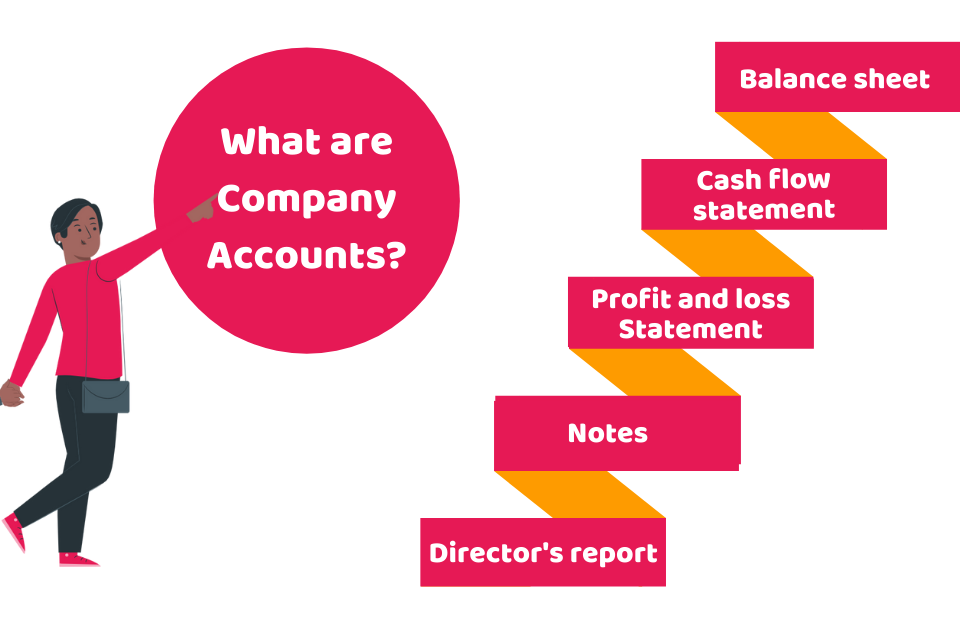
If you are running a business, financial recording and legal fulfillment demand that to prepare annual accounts for a limited company, as it is a fundamental requirement. The records provide complete information about the financial state of the company at the year’s end. In this article you will know essential steps and requirements to  prepare annual accounts for limited company. Talk to our best accountants and bookkeepers in the UK at CruseBurke. You will get instant help about how to prepare annual accounts for limited company. Understanding How to Prepare Annual Accounts for Limited Company A company must prepare annual accounts, which function as statutory accounts, when the financial year period ends. Your business generates these accounts through financial records that your company maintained throughout the entire year. A legal requirement exists for you to submit your statutory accounts to three different entities: stakeholders, general meeting attendees, and Companies House and HMRC. All company shareholders Persons who maintain a right to join general company meetings can access the information. Companies House HM Revenue and Customs (HMRC) (as part of your Company Tax Return) However, unauthorised entities can file simplified or abridged accounts when their business type matches any of the conditions, including small company status, micro-entity status, or being dormant. All accounts must abide by specific official rules established as accounting standards. These could be: International Financial Reporting Standards (IFRS) A business using UK Generally Accepted Accounting Practice (UK GAAP) operates under this accounting standard. What Should be Included to Prepare Annual Accounts for a Limited Company? Statutory accounts contain three primary documents, including the balance sheet, the profit and loss account, and the notes to the accounts. Balance Sheet: The financial statement that shows all things that belong to and are due to the company on the fiscal year closing date. Profit and Loss Account: The profit and expenditures alongside the return or loss amount for the year are present in the company’s financial statement. Notes to the Accounts: These provide extra details and explanations about the numbers in the financial statements. Director’s Report: A brief report from the company’s director about the financial position of the business. (Not required for micro-entities.) Auditor’s Report: The size of a company determines whether they need confirmation from an independent auditor regarding the accounts. Moreover, all balance sheets must contain the written signature of a company director whose printed name appears in the document. Special Rules for Dormant, Small, and Micro-Entities How to Prepare Annual Accounts for a Limited Company? The regulations for preparing annual accounts depend on the dimensions and operational intensity of your company structure. Let’s break down the categories: Dormant Companies Companies House classifies businesses as dormant if those firms report no notable financial operations in their yearly business period. The list of financial operations that may or may not qualify as significant transactions for accounting purposes exists. The costs of submitting documents to Companies House include registration expenses Penalties for late filing. Moreover, new shareholders buy company shares when the organisation initiates its operation. However, small dormant businesses do not need audit services because they satisfy the criteria. Conduct an assessment for dormant status under corporation tax regulations because this holds its own separate requirements. Small Companies A small business meets the classification when it demonstrates either a £15 million turnover limit or a total value of £7.5 million or has less than 50 employees in its workforce. Turnover is £15 million or less The total figure on the balance sheet equals £7.5 million or less. 50 employees or fewer Some major benefits for small companies include Exercising an audit exemption gives you the option to not require external audit verification. Your business holds the option to exclude sending director’s reports together with profit and loss accounts to Companies House. Your company has the option to deliver abridged versions instead of standard full accounts. Abridged Accounts The information contained in abridged accounts presents fewer details than what full statutory accounts would typically disclose. The submission of abridged accounts becomes possible only when shareholders approve them unanimously. Abridged accounts include: A simplified balance sheet Notes to the accounts Optionally, a simplified profit and loss account and a director’s report balance sheet to display a printer-drafted director name along with a signature. Additionally, when you submit abridged accounts, your business data becomes accessible to a reduced extent on Companies House. Micro-Entities Micro-entities represent the most basic form of company, which receives complete reporting simplification. Micro-entity status applies to companies that fulfill either of these two conditions and one additional requirement. Turnover is £1 million or less The company balance sheet reveals a total of under £500,000. 10 employees or fewer Benefits for micro-entities are enlisted below: You can create basic accounts that fulfil only the fundamental legal requirements. Above all, you must submit a streamlined balance sheet through Companies House. Small company audit exemptions are available to you since you fulfil the same qualification requirements. Making Corrections or Sending Amended Accounts The procedure for changing incorrect information in submitted company records or for sending revised accounts to Companies House. You can send amended (corrected) accounts to Companies House for detection of errors in your company’s annual accounts after submission. There are three ways to submit amended accounts. On paper, by post The filing software allows you to make corrections if it was your initial method of submission. Companies House permits amended accounts for the same financial period but not different from the original accounts. The following requirements must be followed when you deliver amended paper-based accounts to Companies House: These documents should declare their status as new versions in place of initial reports. Please mark the documents as amended through a visible notation on the front page. These accounts have become part of the required statutory documents. The documents need to maintain identical preparation quality to their original date submissions. The original version of the accounts remains on record at Companies House. Companies House will store both the original …

Read more